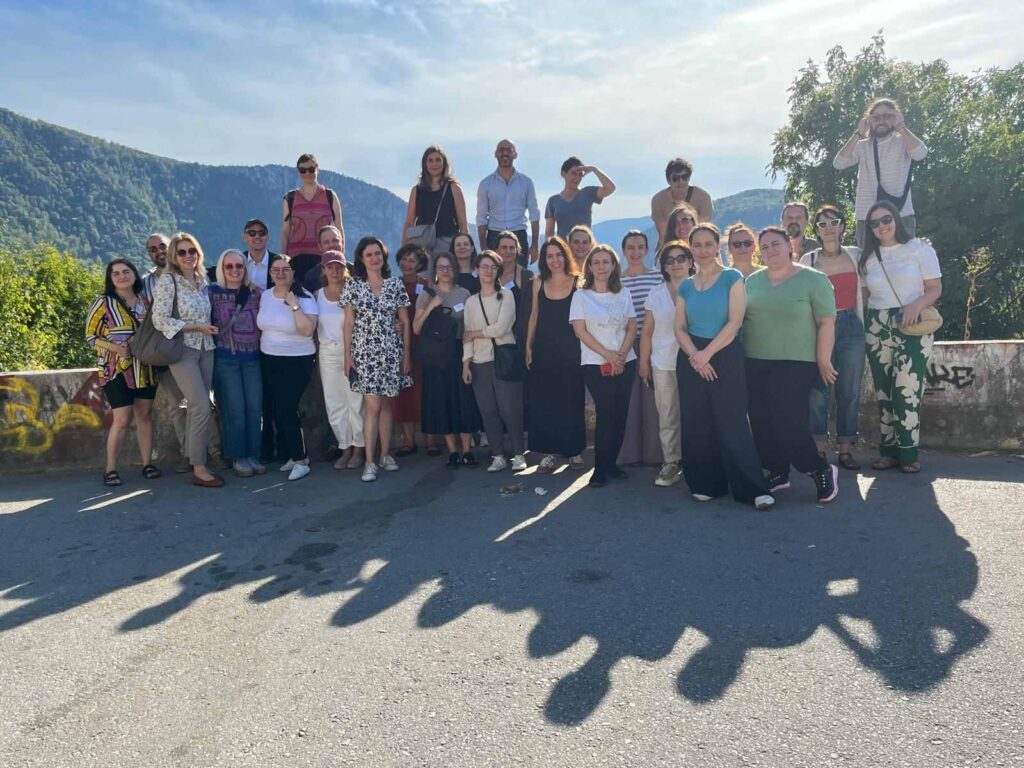
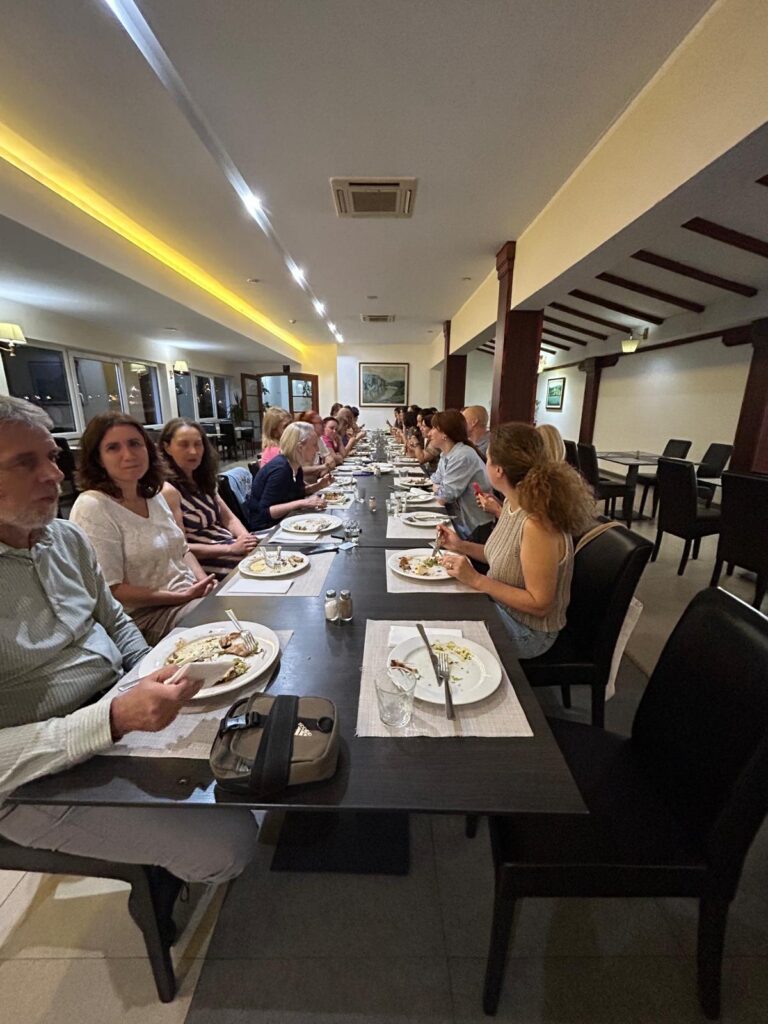
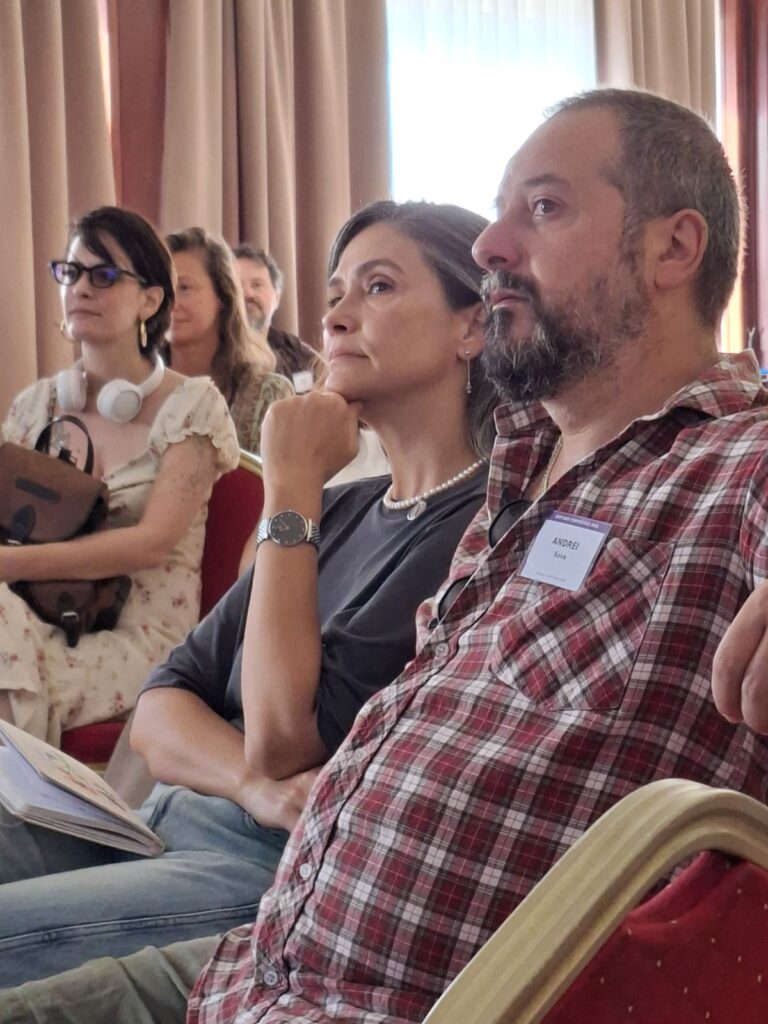
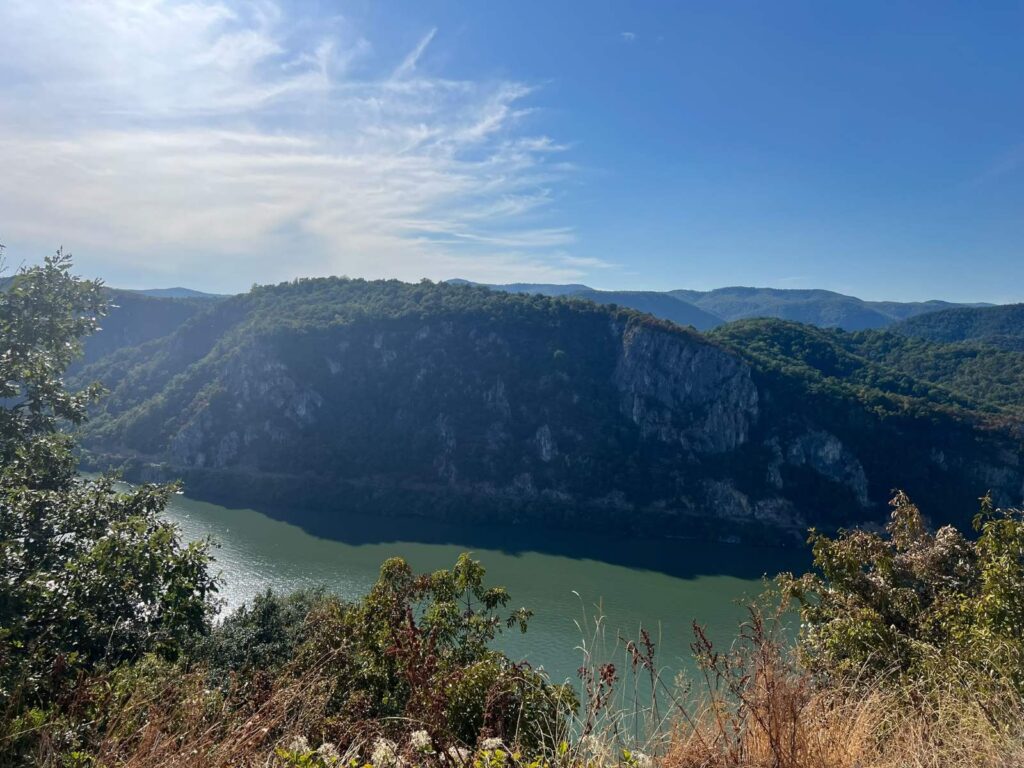
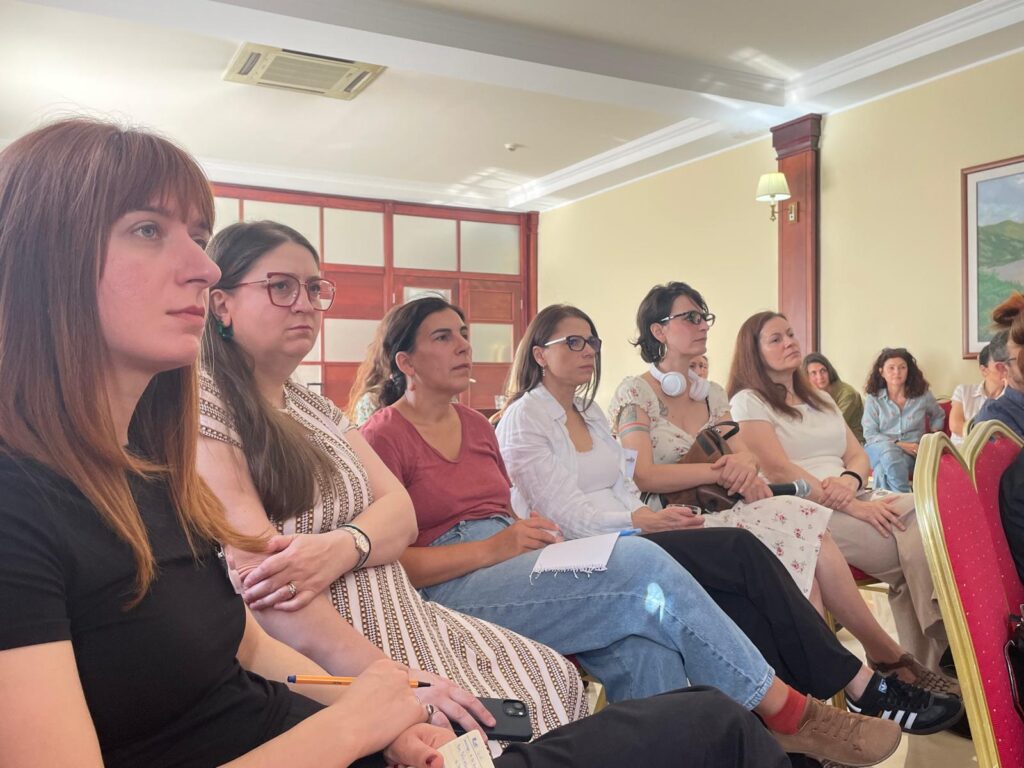
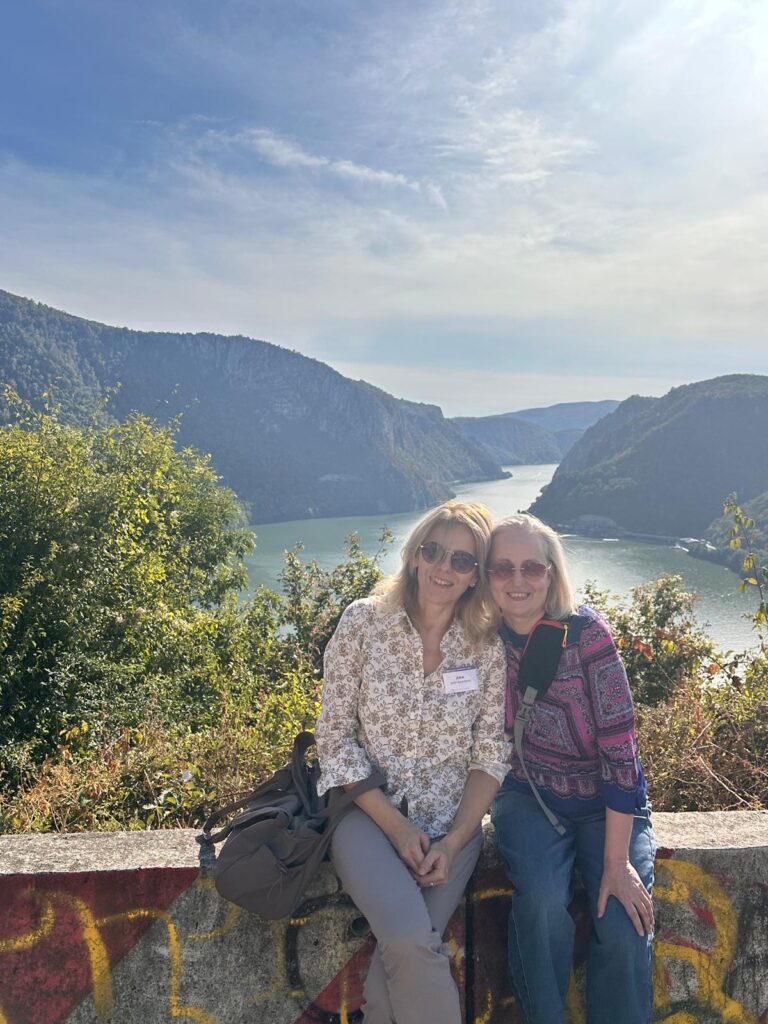
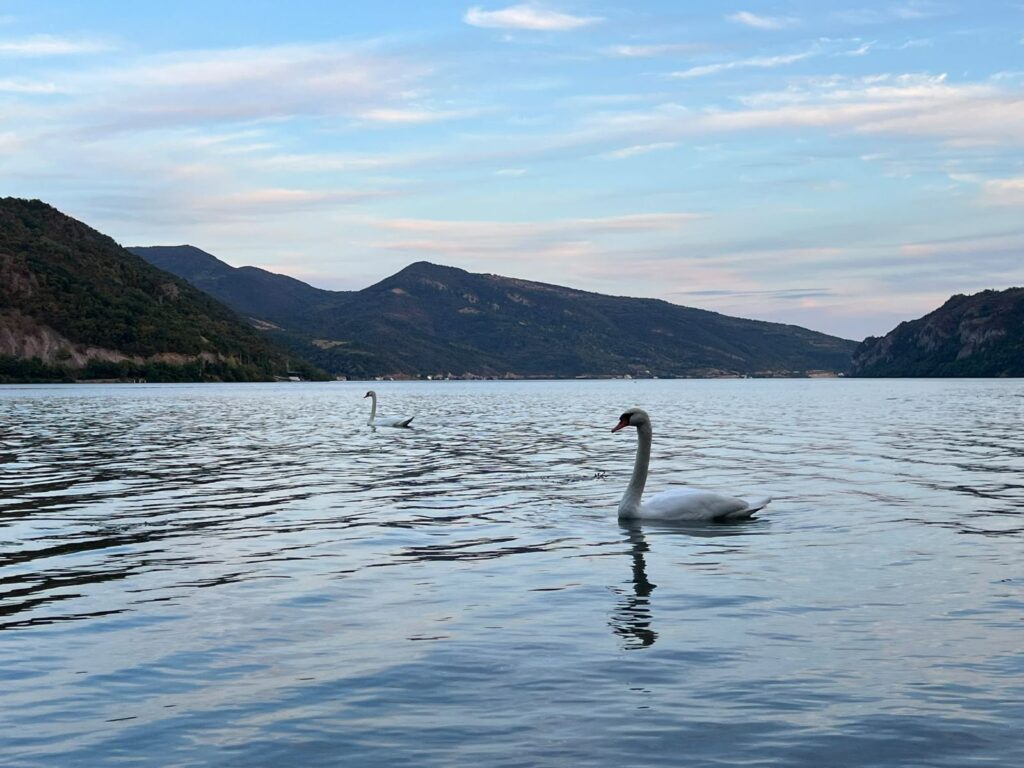
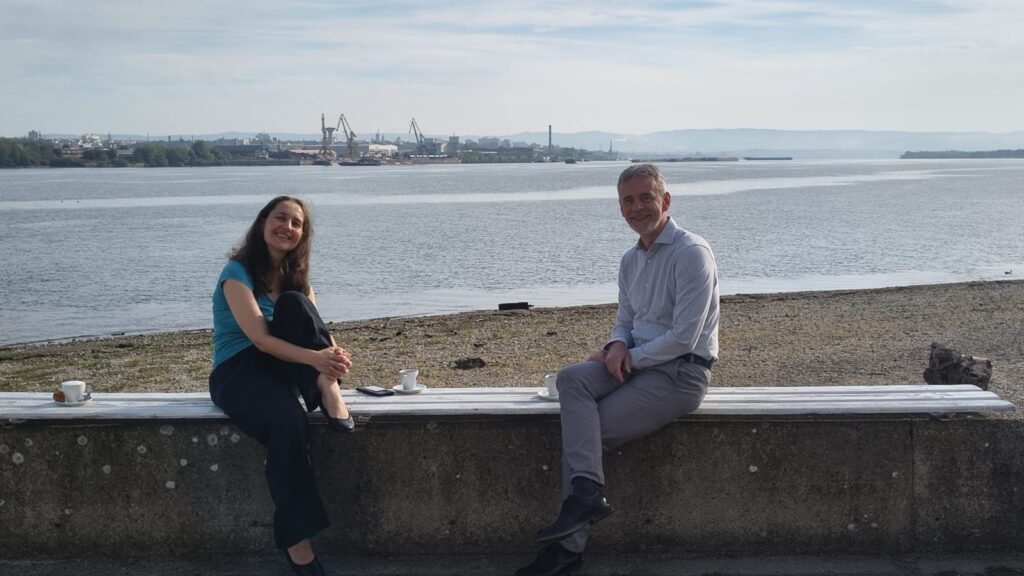
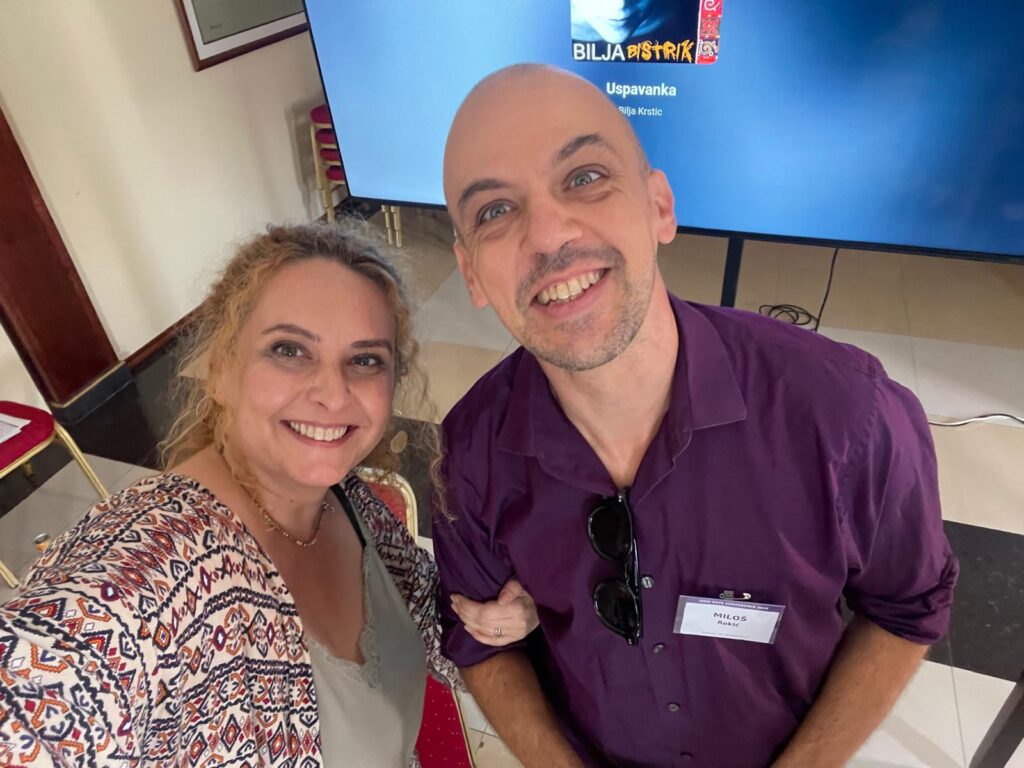
We are pleased to present the conference organized by two IAAP Router groups from Serbia and Romania. The conference was held in Kladovo, on the Danube, from September 18 to 20, 2026.

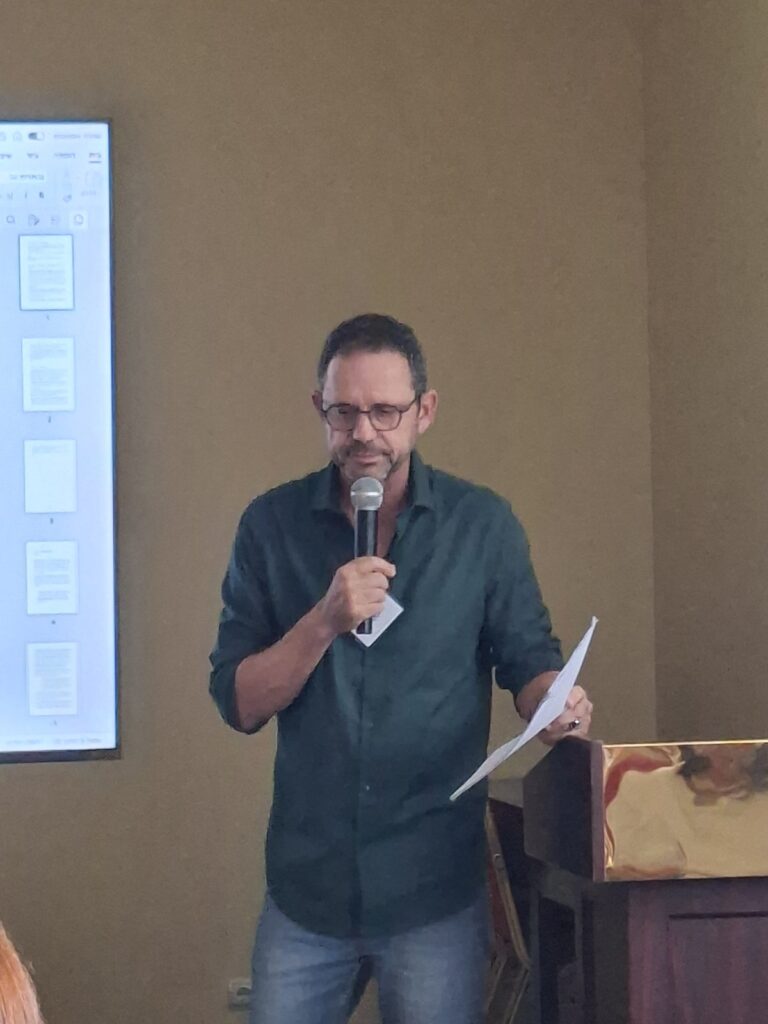
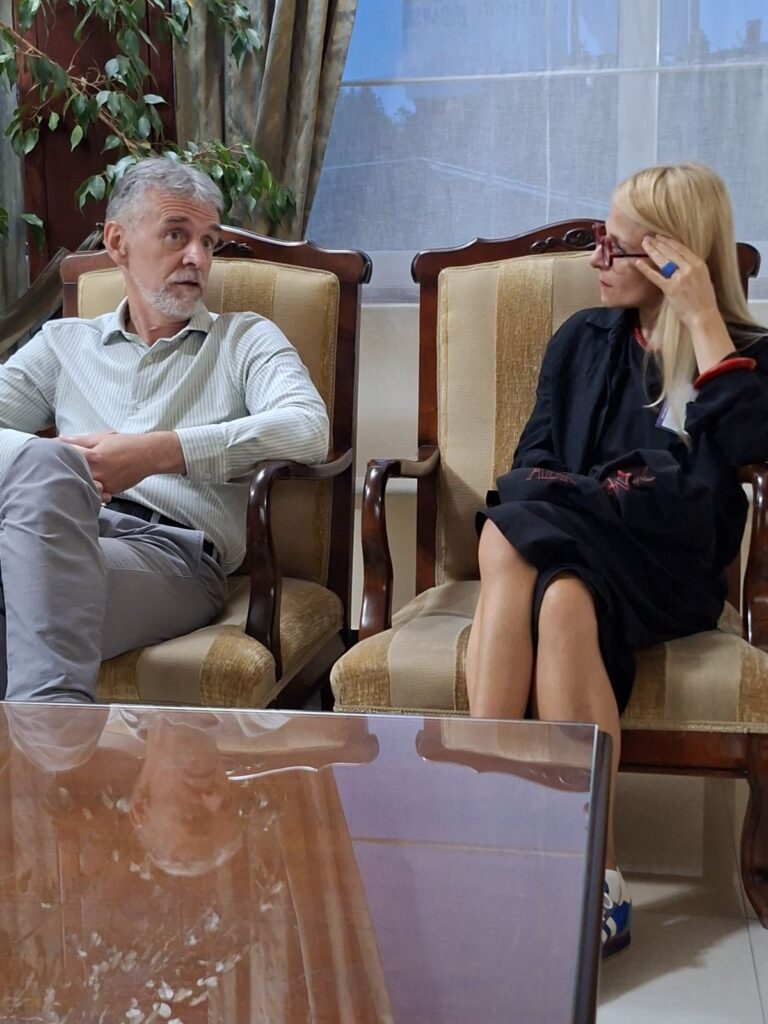
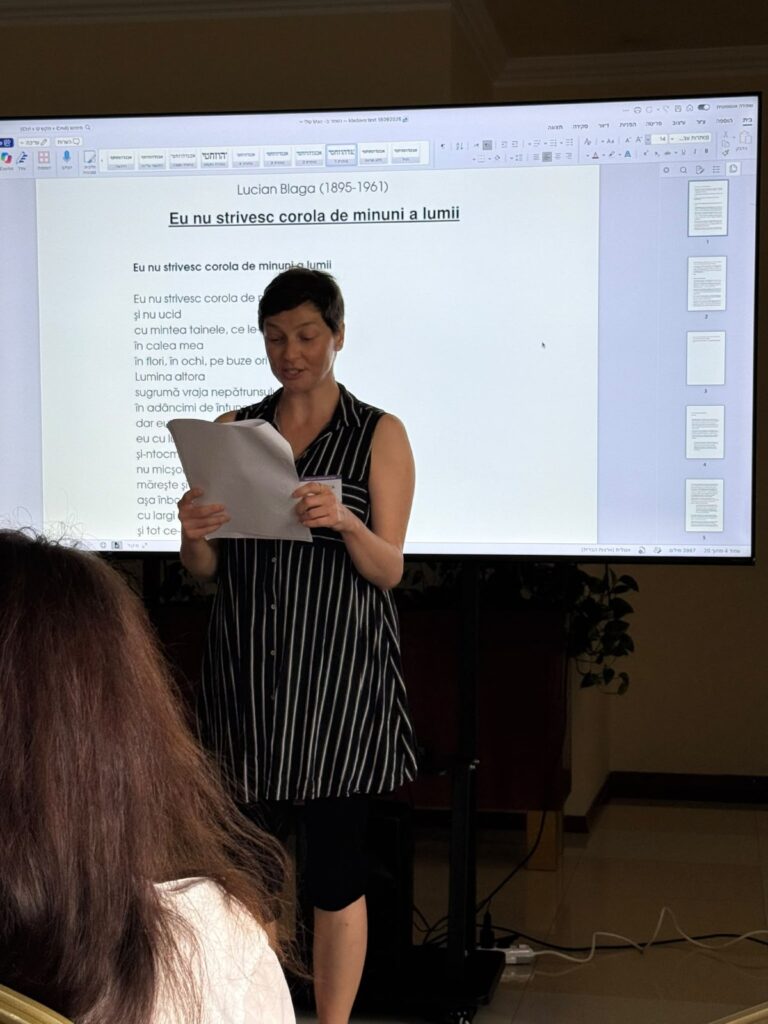
The opening ceremony was conducted by the Jungian analyst from Israel, Guy Perel, in his capacity as the IAAP liaison person for Romania. His introductory lecture, on the topic "Poetry as a language of individuation", referred to the poetic work of the Serbian poet Gojko Đogo and the Romanian poet Lucian Blaga. Mr. Perel has repeatedly highlighted the cultural similarities that, as an outsider, he recognizes in the poetry of these two great men, and which can also be understood as metaphors for the process of individuation of individuals and our two peoples.
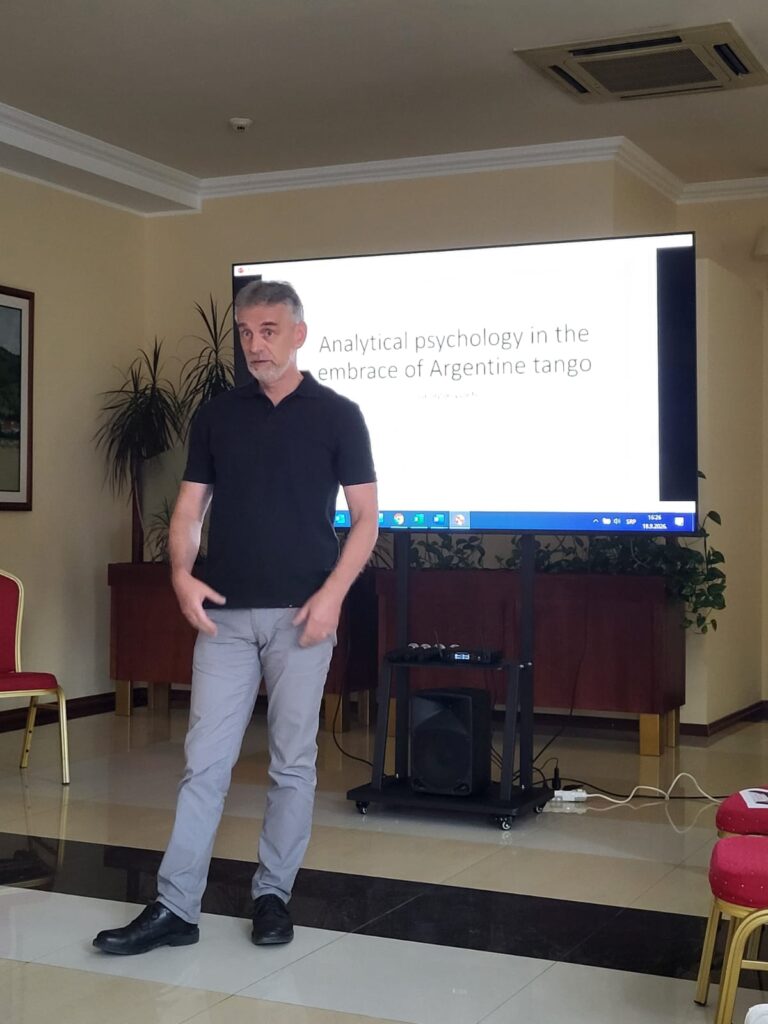
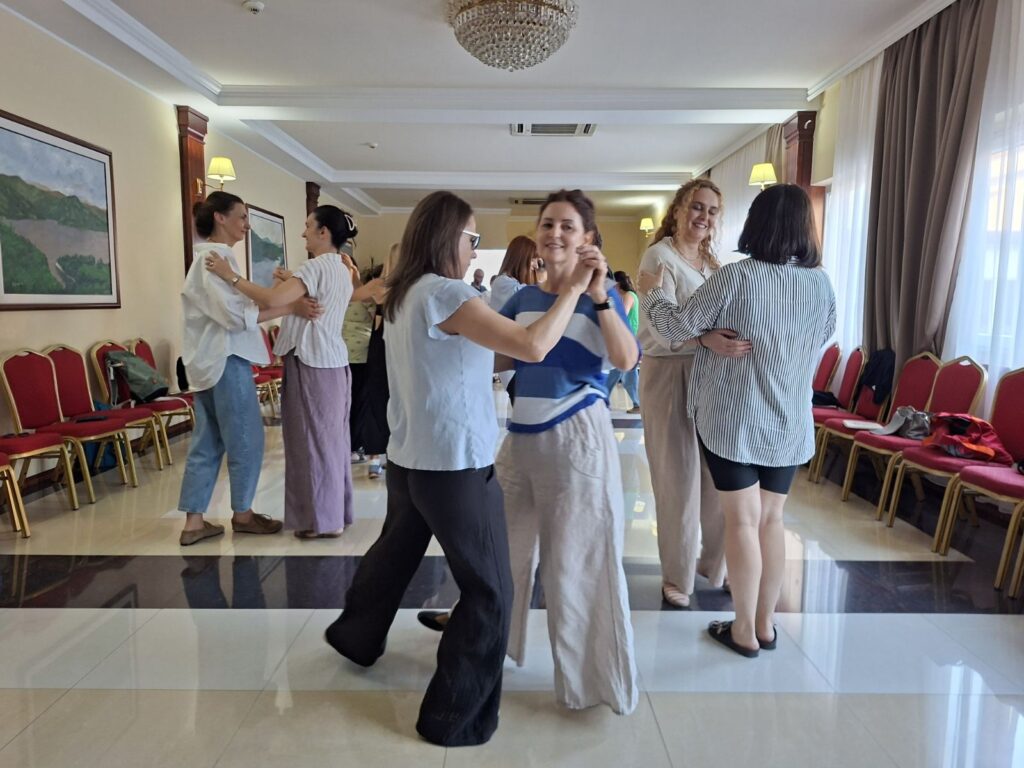
The continuation of the first day was marked by the workshop of our analyst Georgije Vuletić, who used Argentine tango to illustrate the physicality of the analytical process and at the same time explored the body as a metaphor for Jungian analysis. Through the experiential workshop, Argentine tango served as a way to see the dyadic therapeutic relationship on a deeper level.
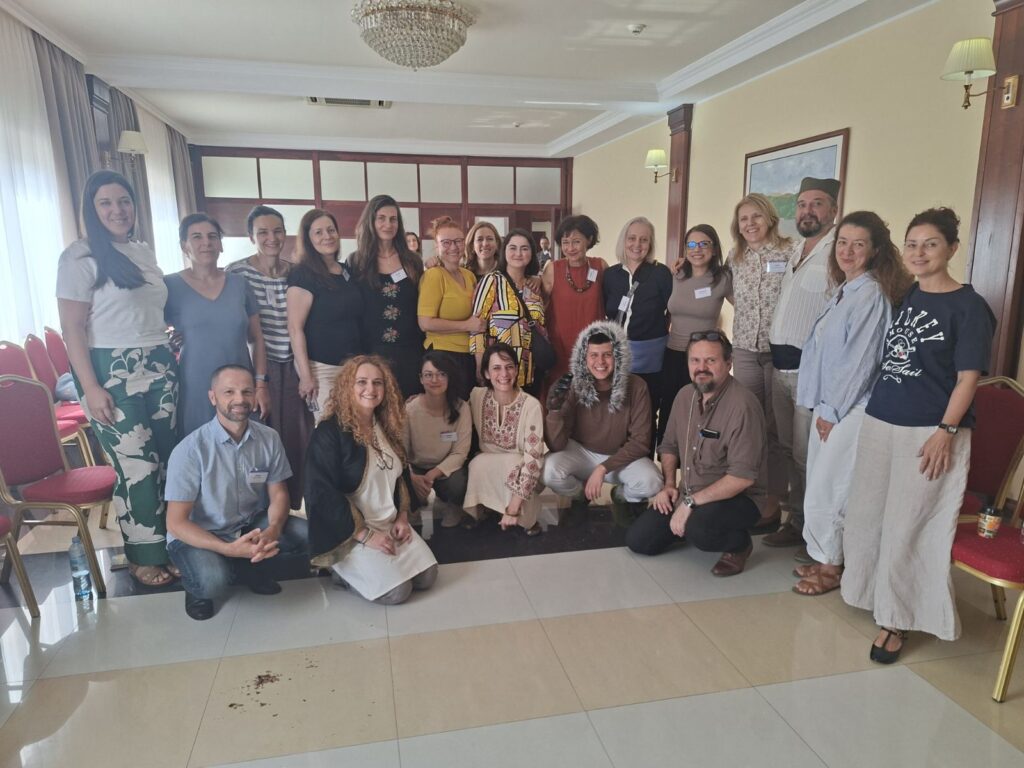
The second day of the conference began with two parallel workshops.
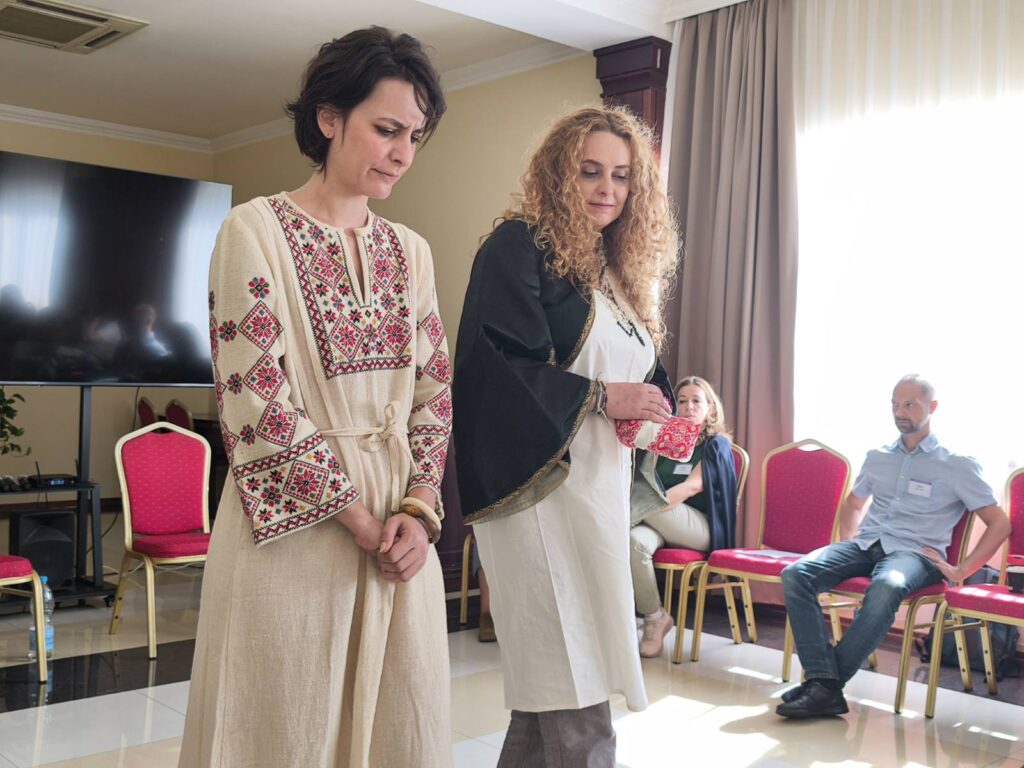
The first one was held by analyst Bojana Stamenković Rudić on the topic of playing fairy tales in a dramatic environment. During the workshop, the contents of fairy tales were discussed through experiential group practice.
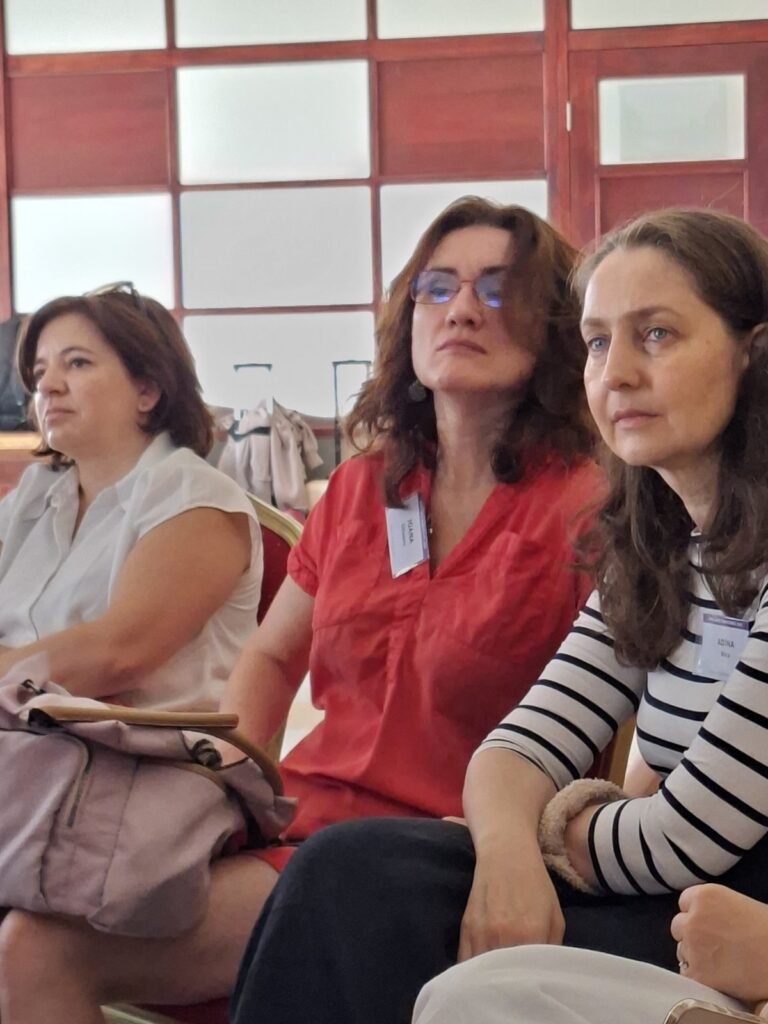
At the same time, the Romanian analyst Ioana Kessler held a workshop on the fairy tale "The Hunter and the Fox Woman", questioning the boundaries and gates between people, especially in relation to what is shadowy and instinctive.
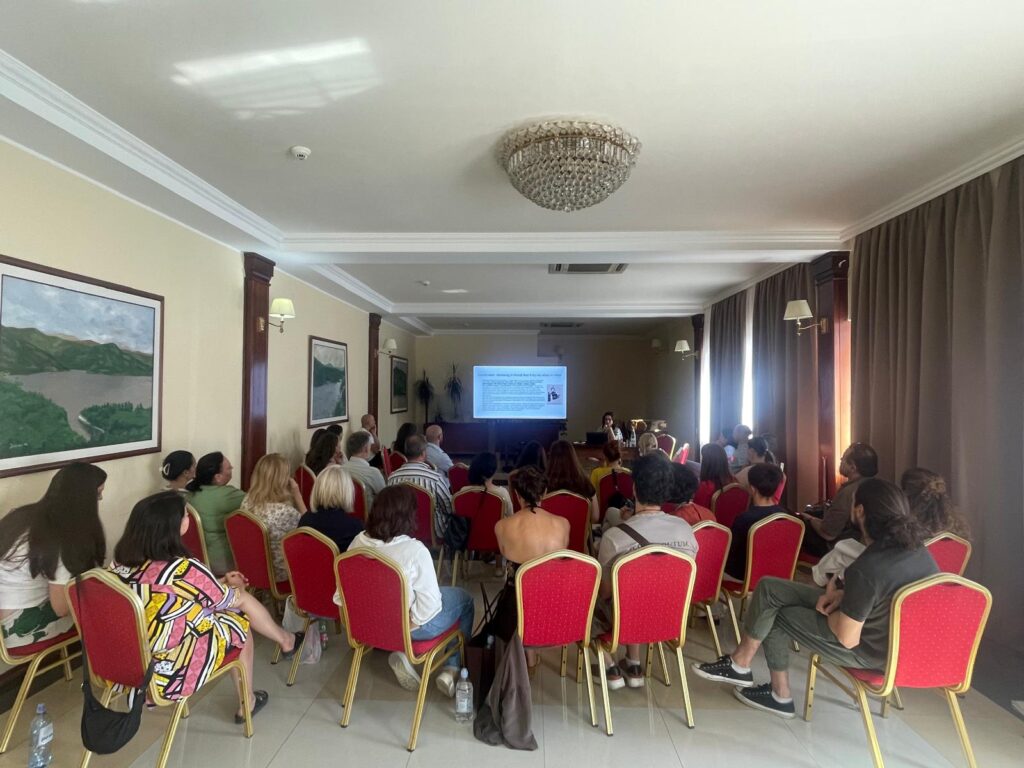
During the afternoon sessions of the same day, analyst Ioana Olteanu presented her view of the symbolism of the house as a powerful representation of the cultural complexes of post-communist and post-transitional societies, which also survived major natural disasters. The colleague particularly referred to the earthquake in Romania in 1977. Representations of the house and interior are presented as a space of loss of symbolic life after major cultural and historical events. The audience was particularly surprised by the similarities between Serbian and Romanian aesthetics and urbanism, after which a discussion was developed on the topic of urbicide.
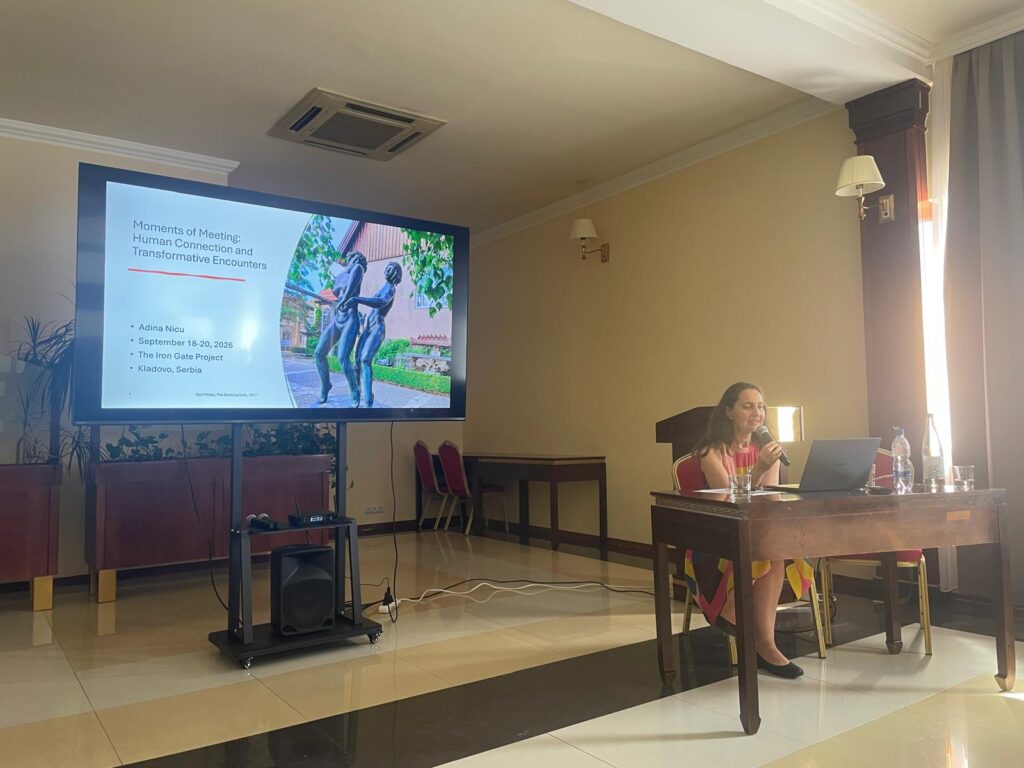
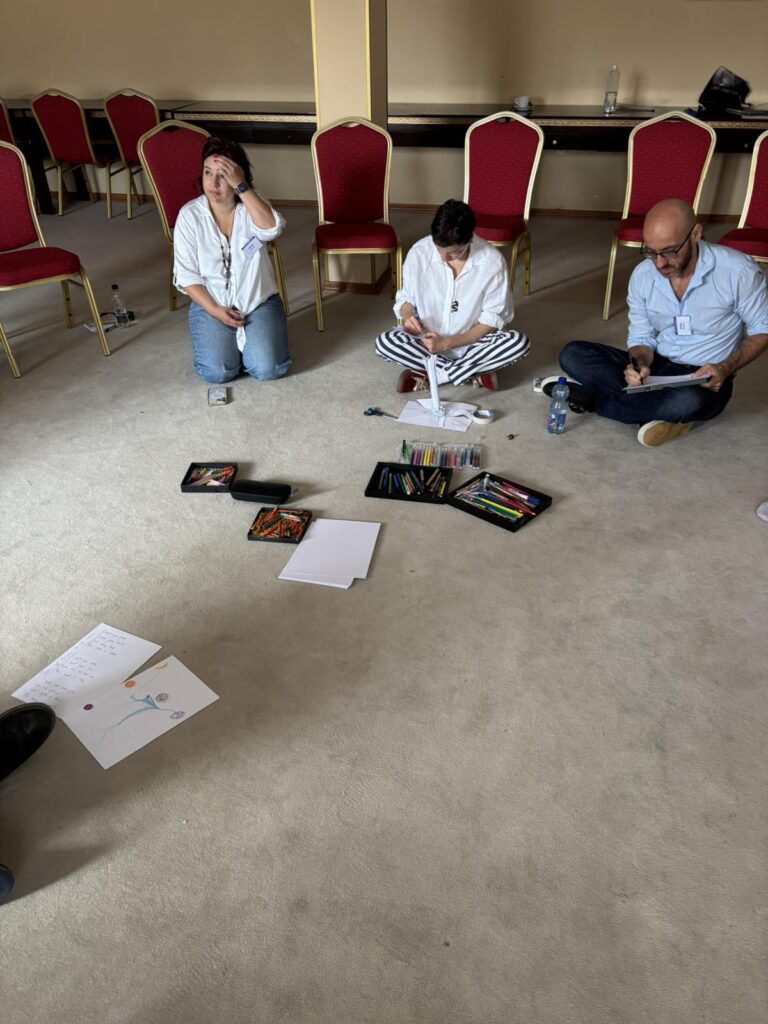
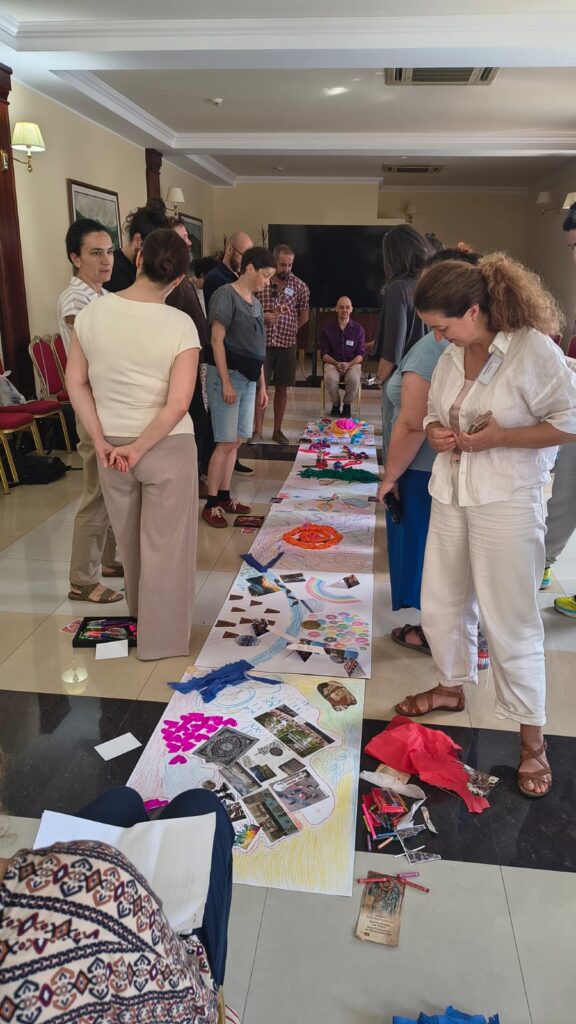
Immediately afterwards, analyst Adina Nicu engaged the audience in exploring the differences between human connection and interpersonal relationships. Her method was to encourage and engage the audience through a series of artworks depicting relationships and the ways in which they are maintained or broken. Colleague Nicu constantly referred to the importance of the process of personal transformation in a relationship, apostrophizing the relative durability of real relationships. The audience was particularly engaged in trying to define relationship and connection, as well as differentiate them from each other.
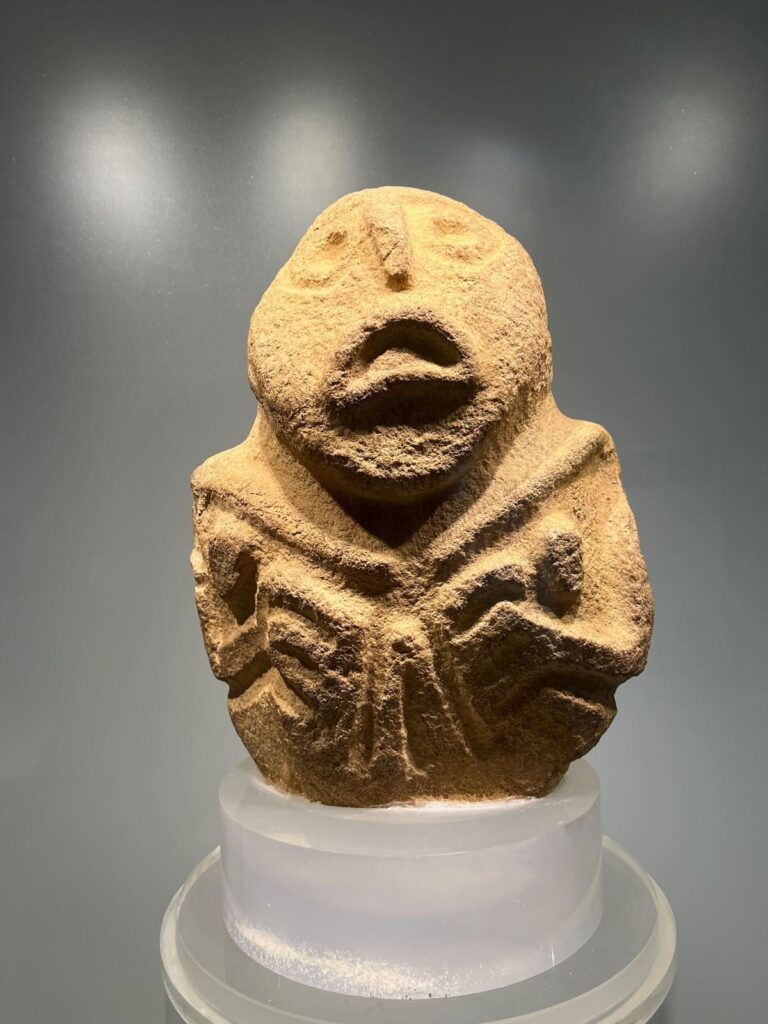
The participants spent the rest of the day visiting the Lepenski Vir archaeological site, where they took part in a guided tour led by the site's curator and watched a twenty-minute film documenting the excavation of this significant cultural landmark of the Neolithic civilization in the region. The film also highlighted the work of the team led by Academician Dragoslav Srejović, whose efforts yielded important findings regarding the life of Neolithic people along the Danube.
In the ceremonial hall of Lepenski Vir, analyst Guy Perel gave a lecture on the comparison of the mythic consciousness of archaic man of the Neolithic and Paleolithic. Parallels are drawn in the symbolic thinking of archaic people related to caves, as opposed to people related to settlements as cultural products of later periods.
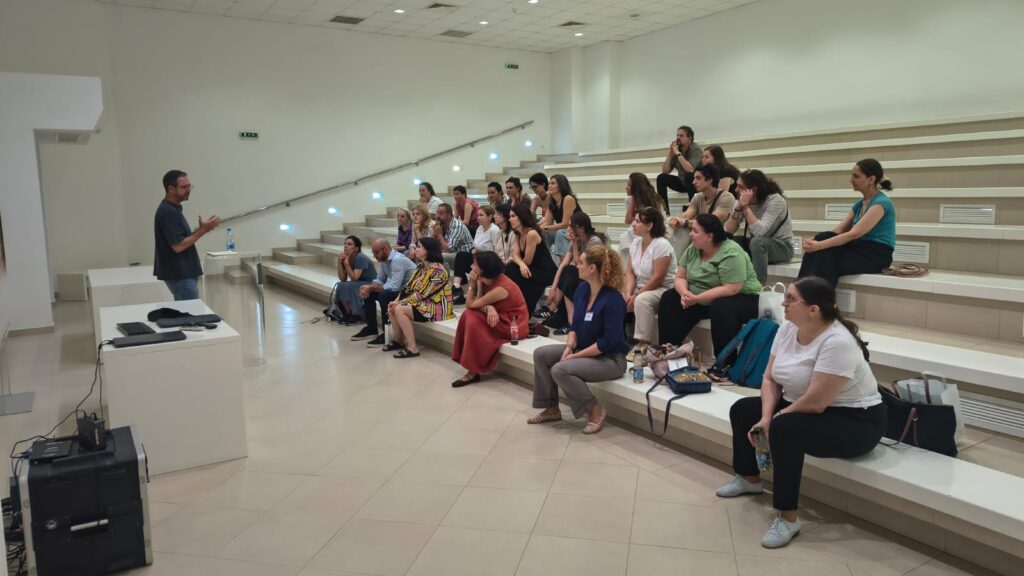
The third day of the conference began with a lecture by analyst Ilinca Balas, who used the myth of Psyche and Ariadne as an example of the individuation of the female principle through sacrifice. Colleague Balas presented the dreams of several clients, engaging the audience in their reflection, and then presented several short clinical vignettes. The discussion after the lecture focused on the relationship between death and sacrifice in the masculine and feminine key.
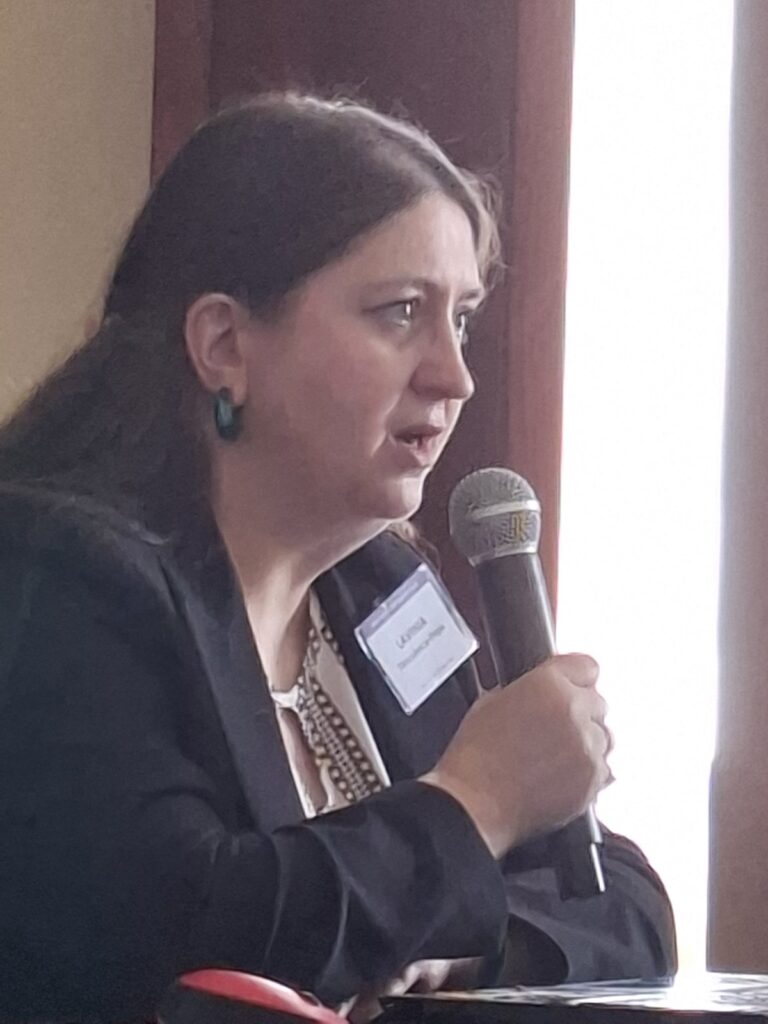
Immediately afterwards, analyst Lavinia Țânculescu-Popa gave a lecture on the topic of asking for help. The lecture was thoroughly supported by the viewpoints of different schools of analytical psychology, while she elaborated the psychological implications of seeking help through the use of a passage from the Gospel of John, in three languages - Romanian, Serbian and English. The passage referred to seeking help at the Vitezda Spa. Lavinia also referred to the submerged city and entire settlements that disappeared after the construction of the Đerdap hydroelectric plant. The discussion was conducted on the topic of self-confidence and trust in other people, as well as on the topic of trust and agency of the individual in the analytical relationship.
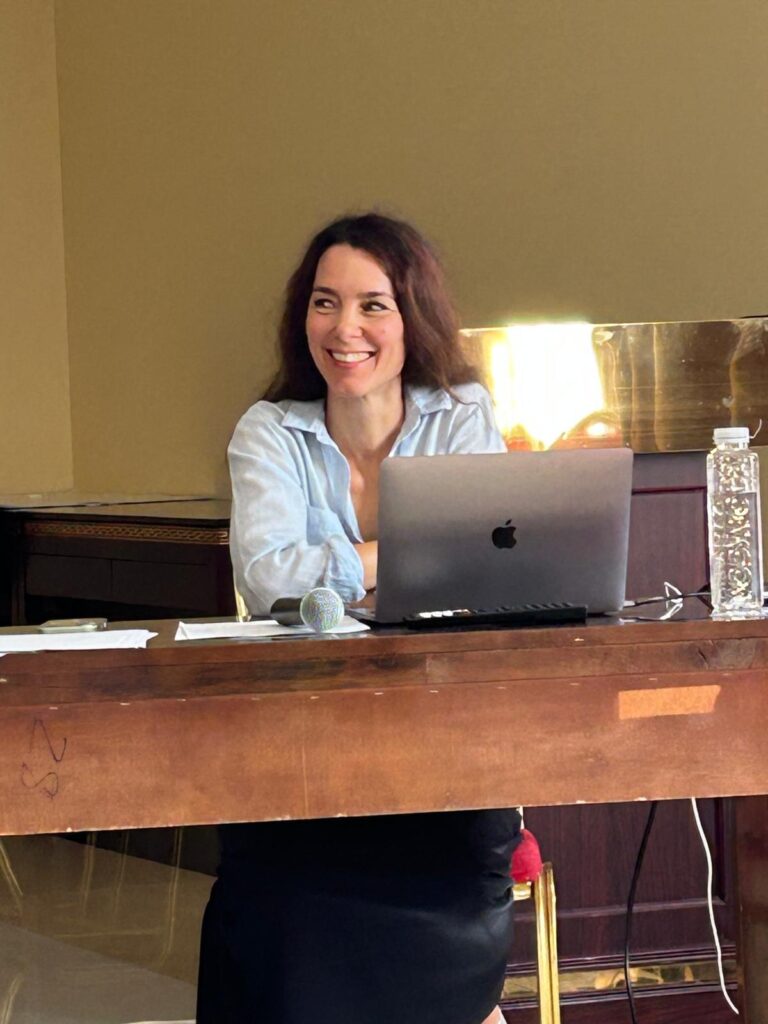
The final art workshop was held by Miloš Rokić and our colleague from Romania, Anca Ghearasamescu, engaging the participants in a creative effort to build a symbolic bridge that would connect two cultures across the Danube.
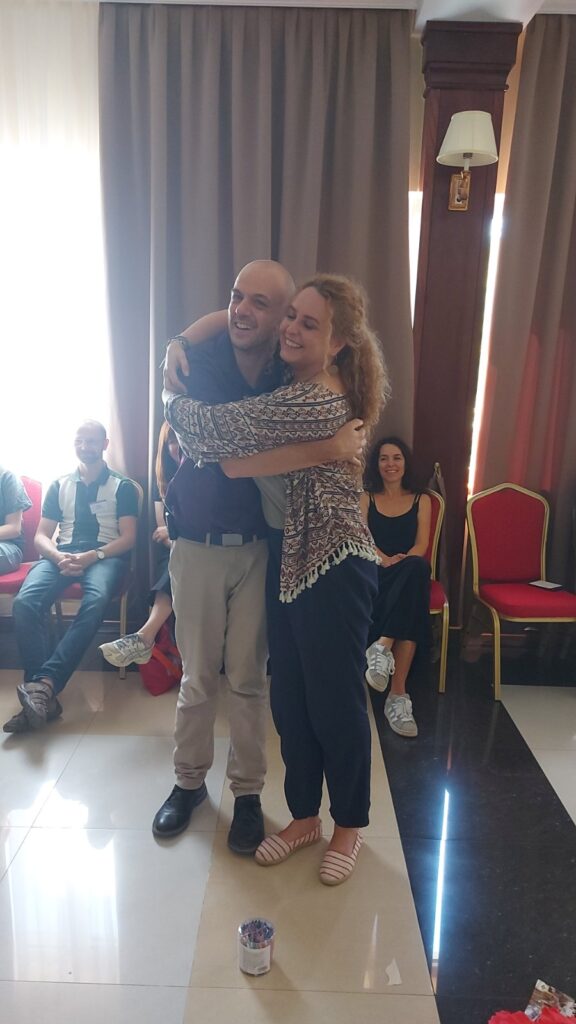
We owe a great deal of gratitude to Bojana Stamenković Rudić and Georgije Vuletić for their participation, as well as to all the routers and educators who contributed to empowering us in our demanding, difficult and sometimes complicated professional challenges through connection. Their contribution is valuable and significant for the representation of our association.
This conference would not have taken place without the help of our American donors from the non-governmental organization PaxWorks and the Jung Society of Washington DC. You will be able to read impressions of this conference in one of the future editions of the IAAP Newsletter.